OCULTOS. Control de fronteras, control de privilegios
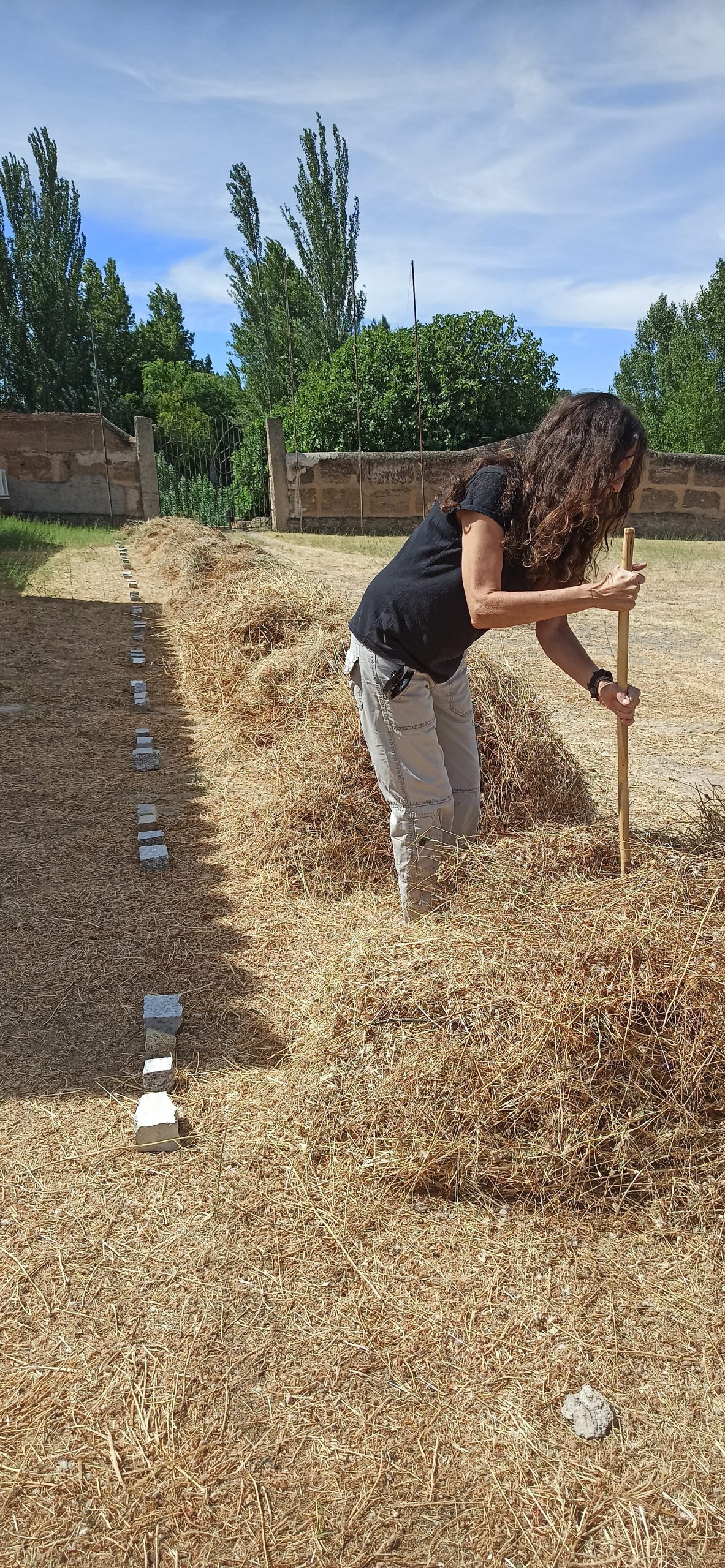
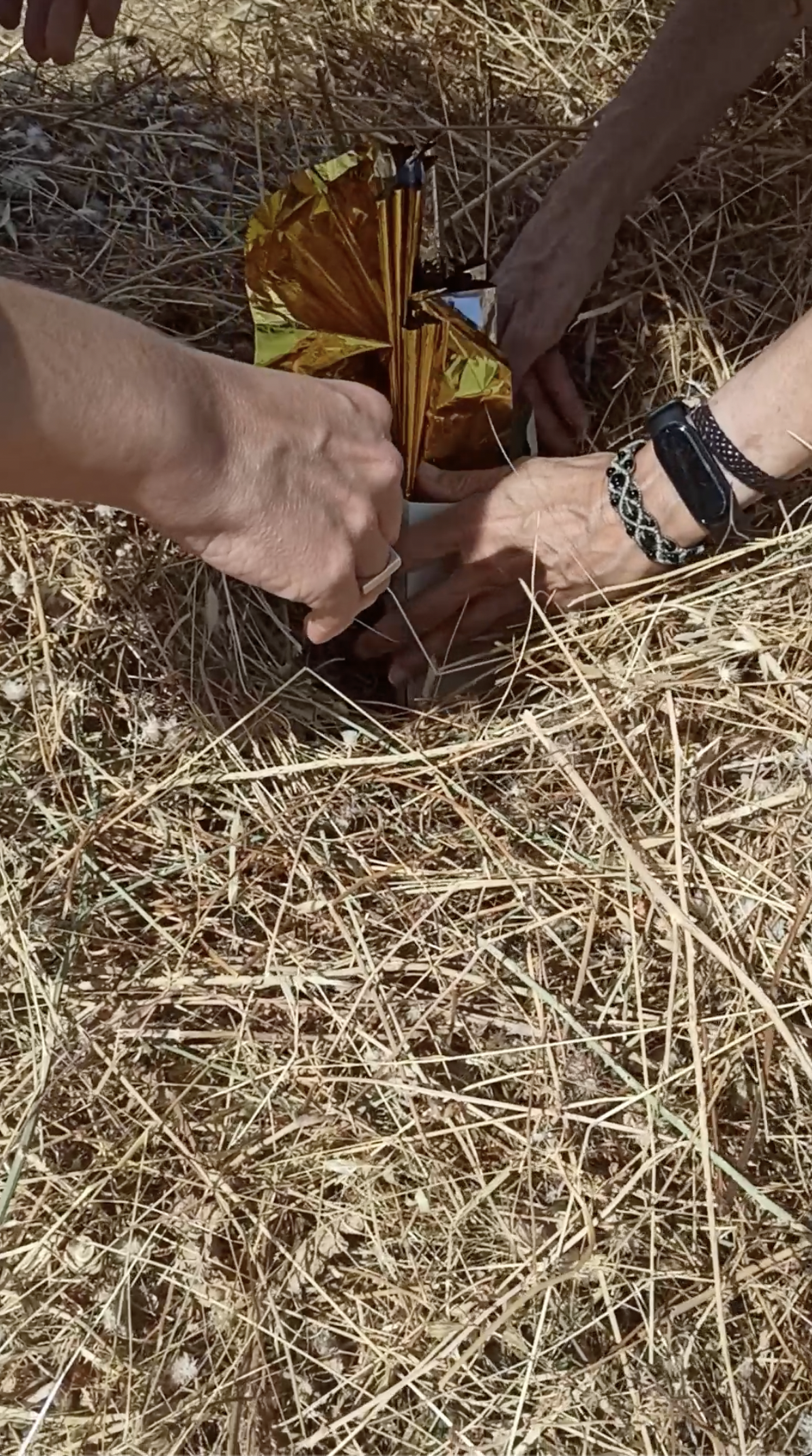
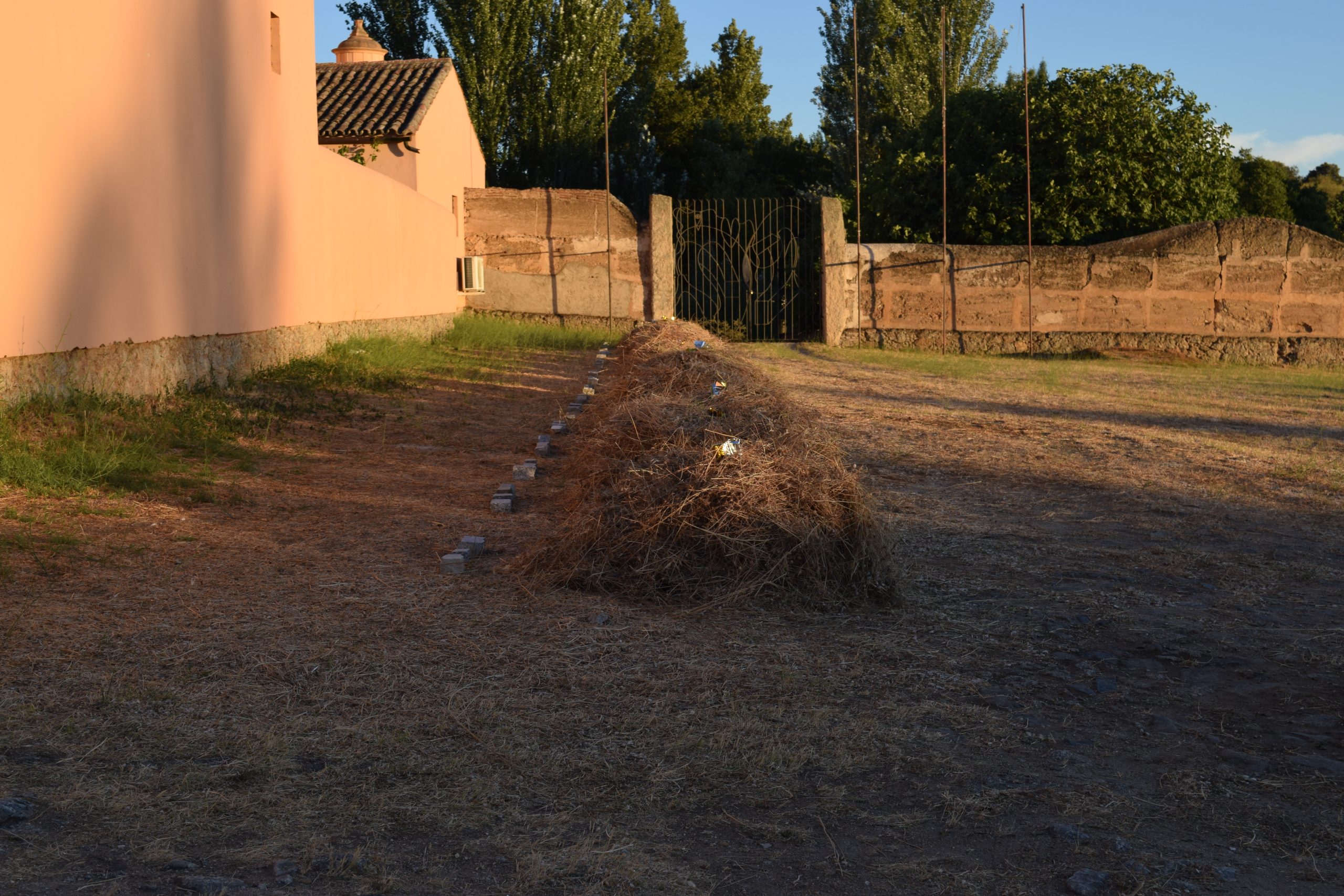
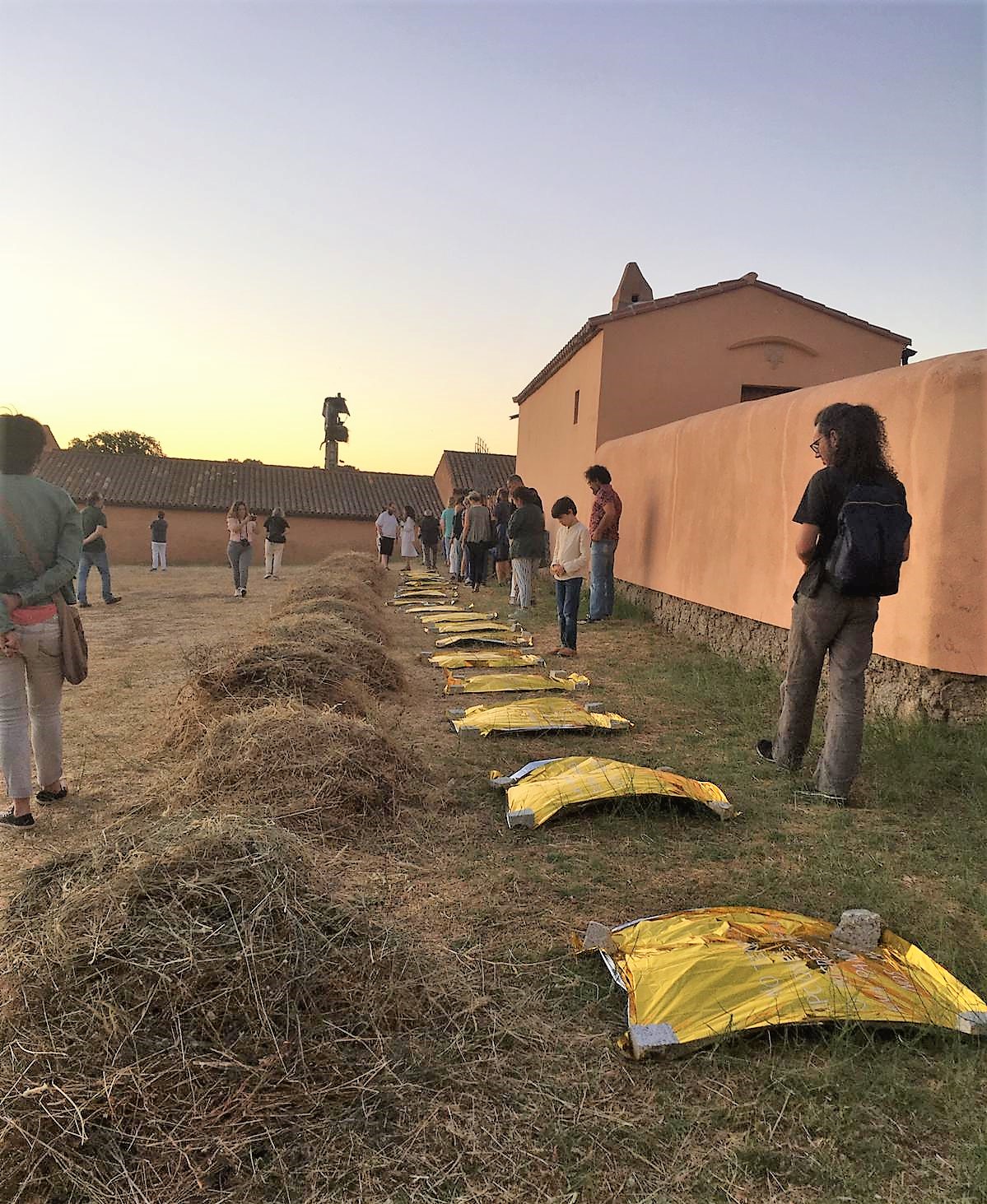


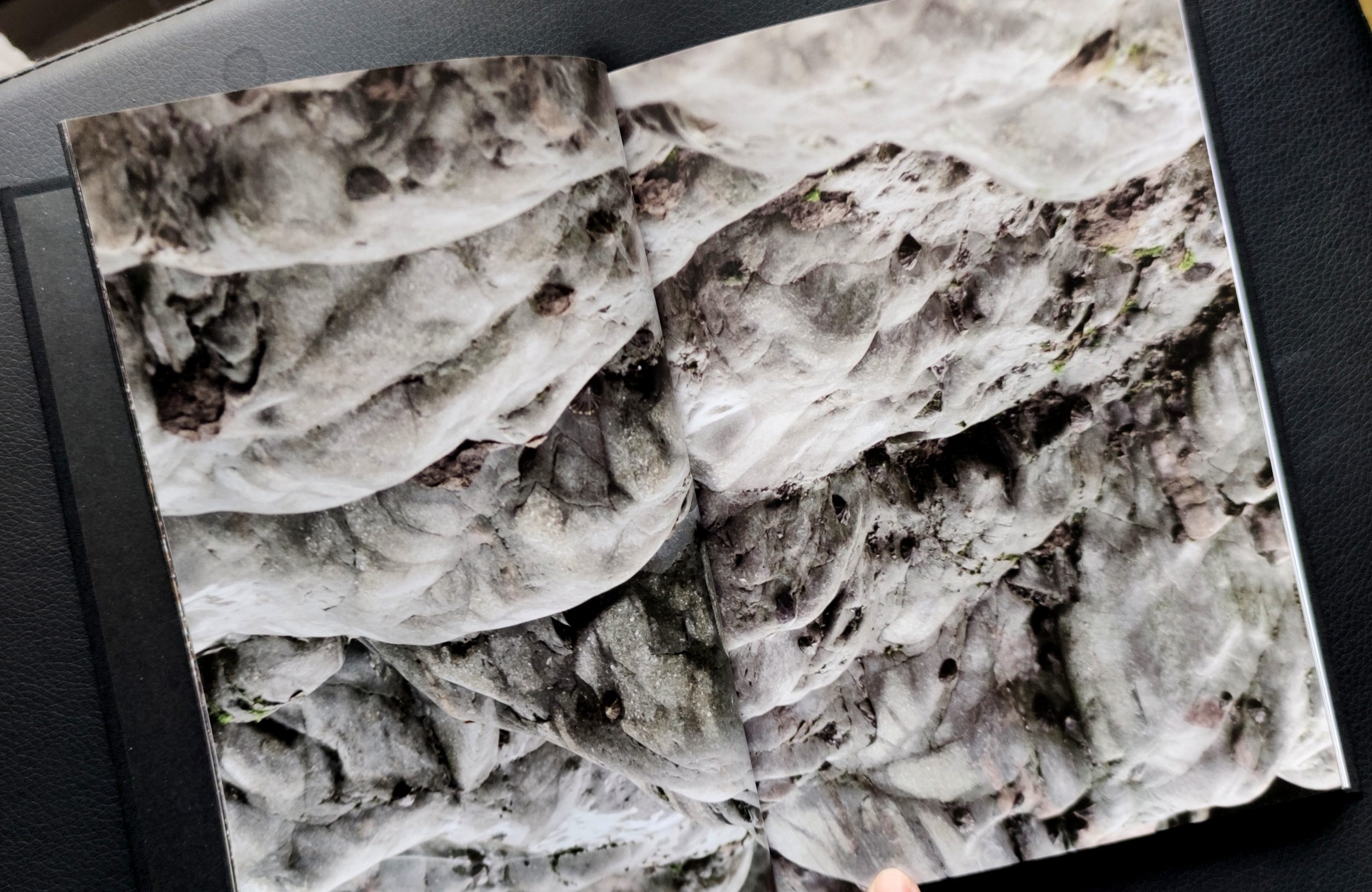
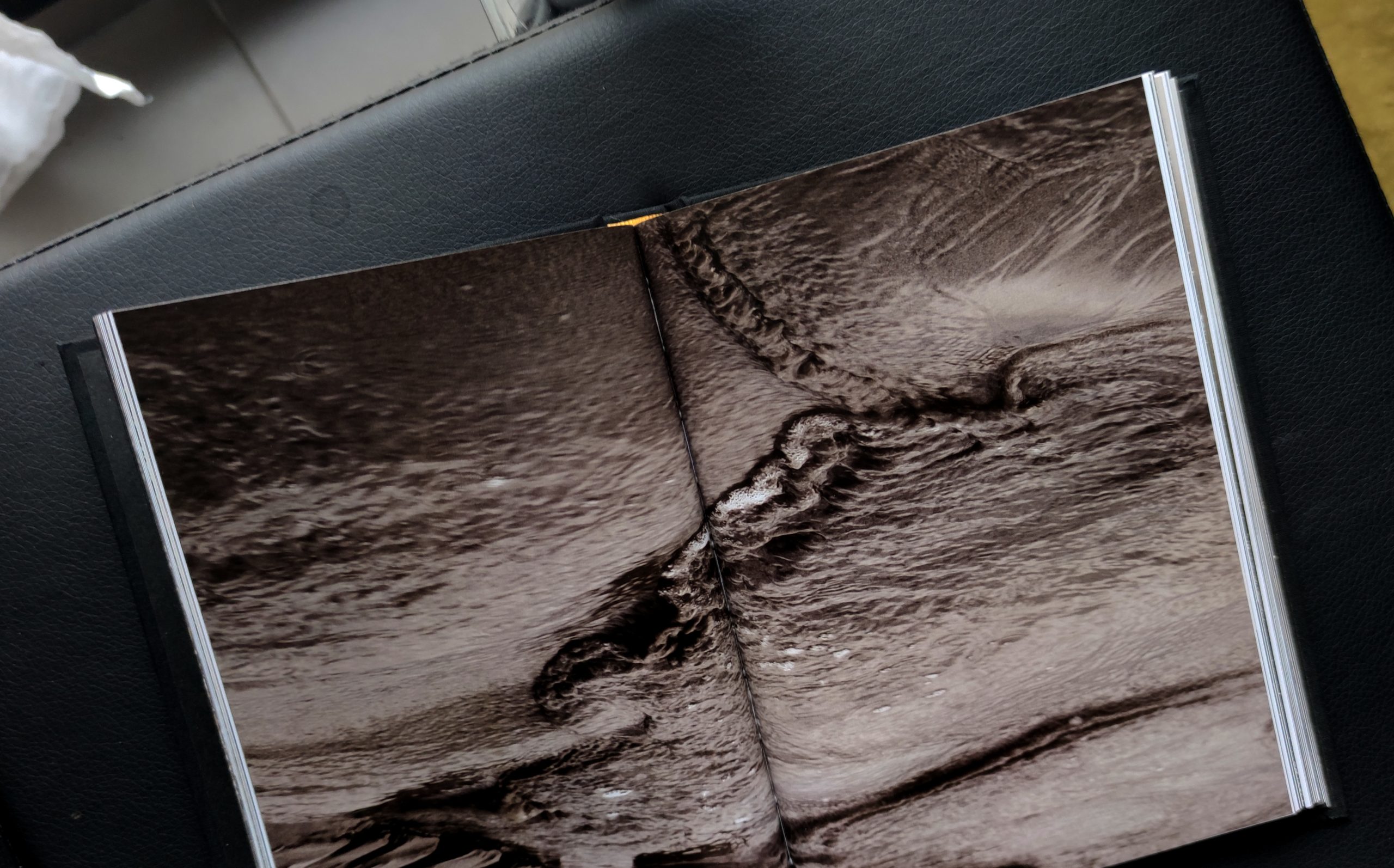
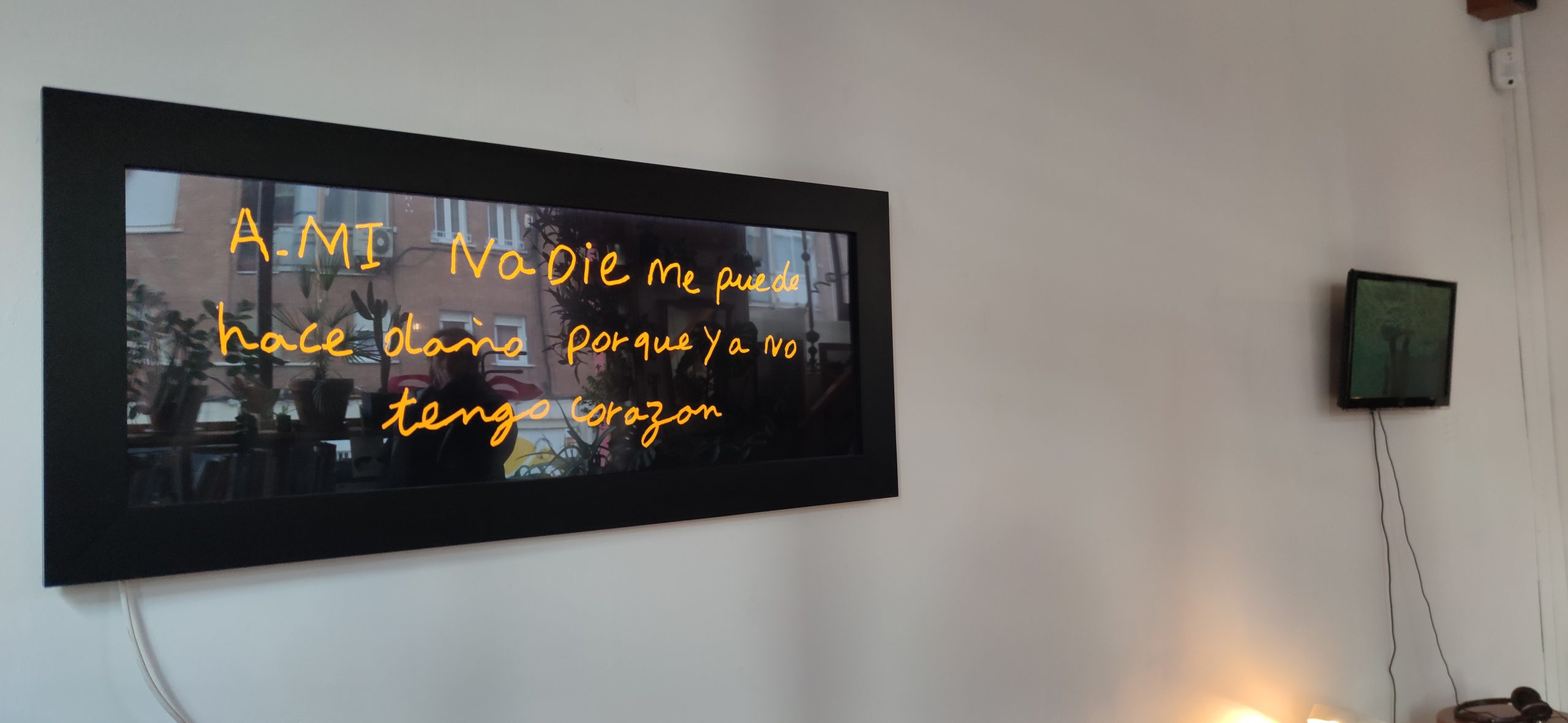
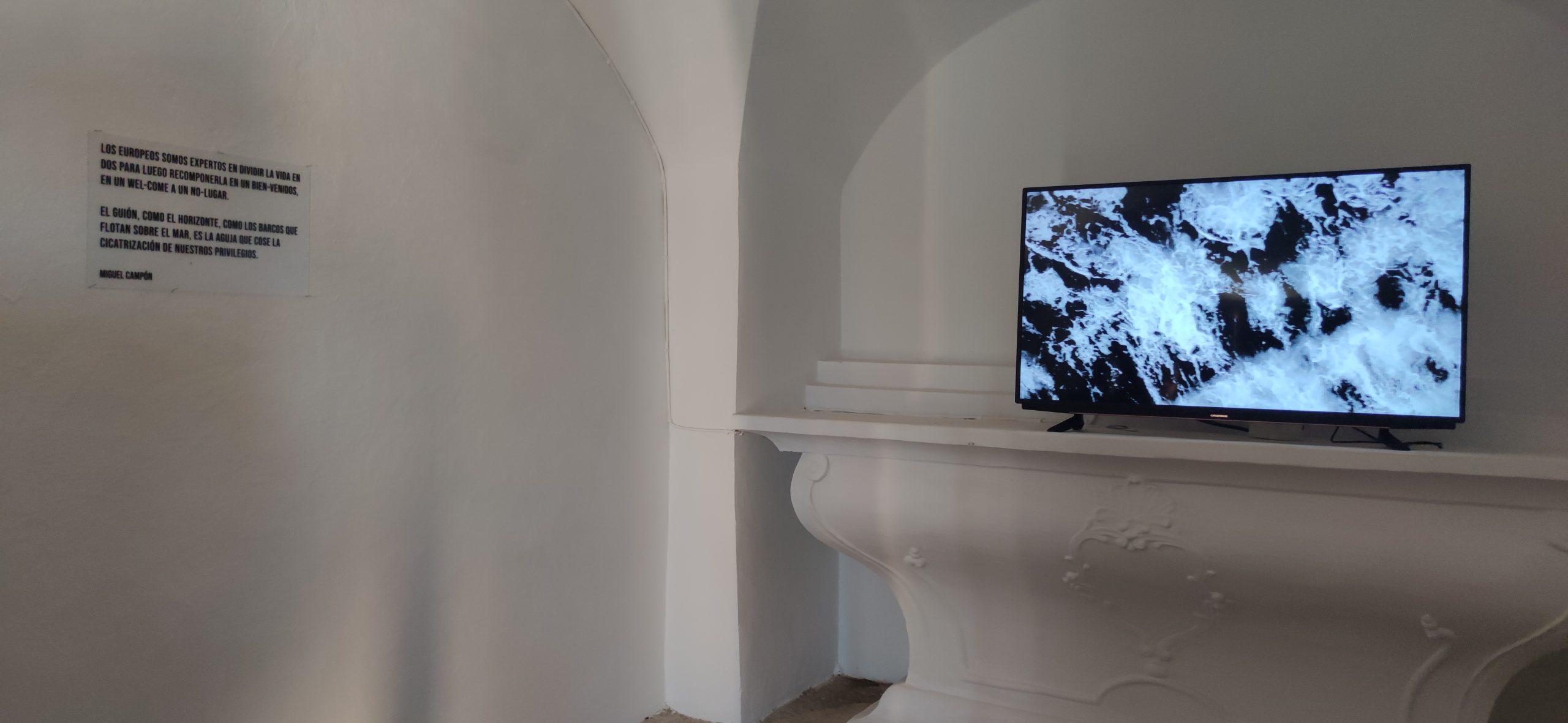
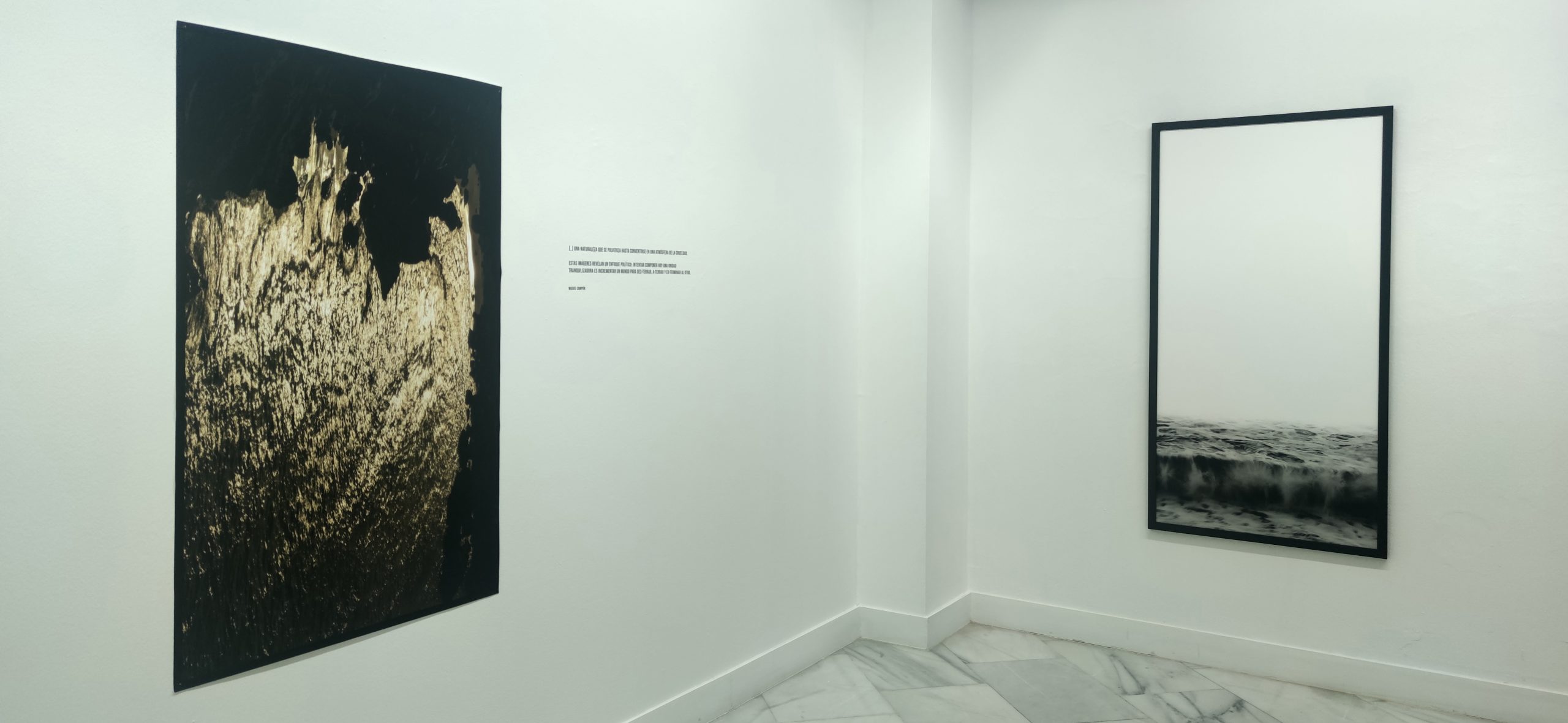
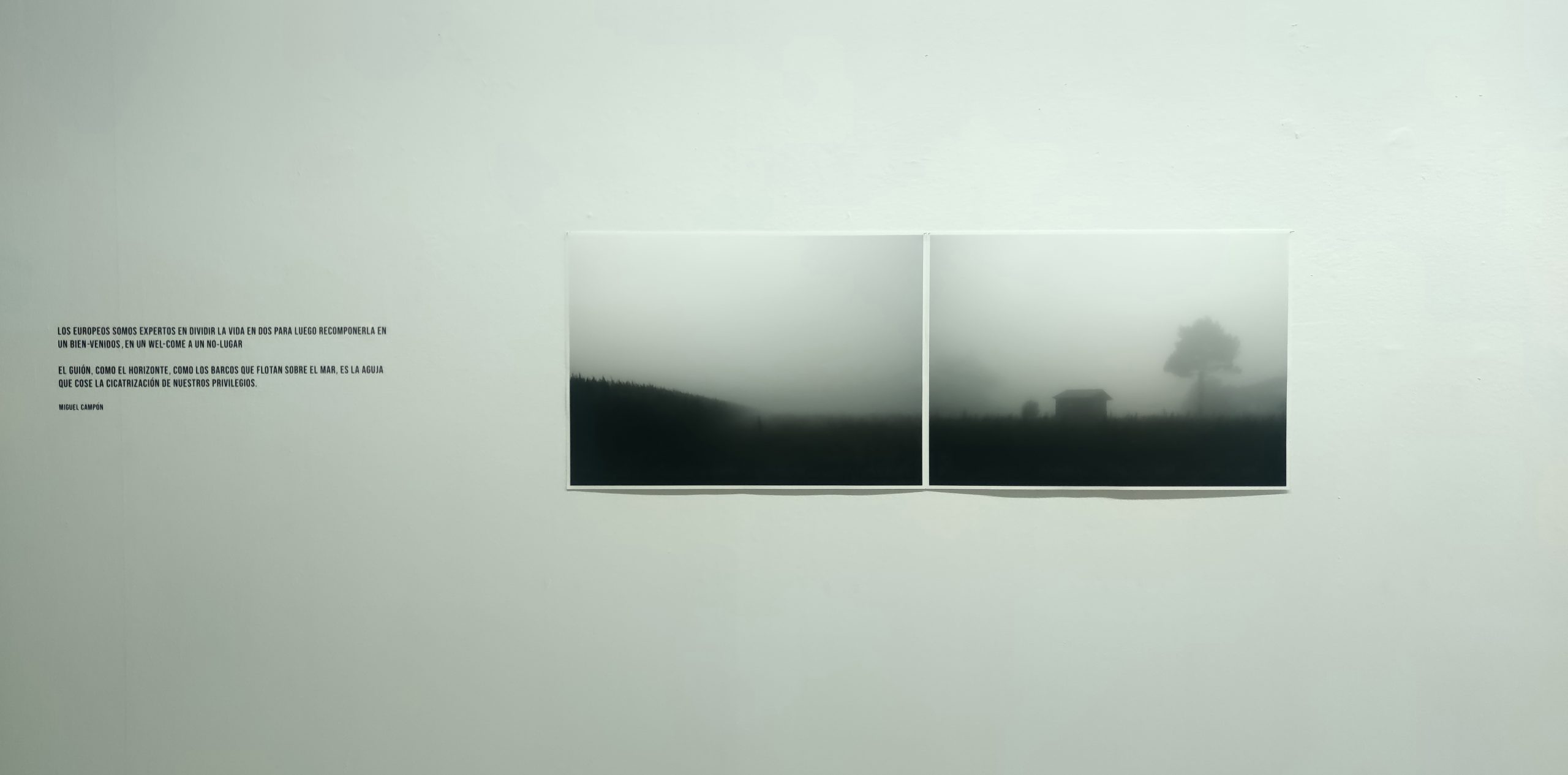
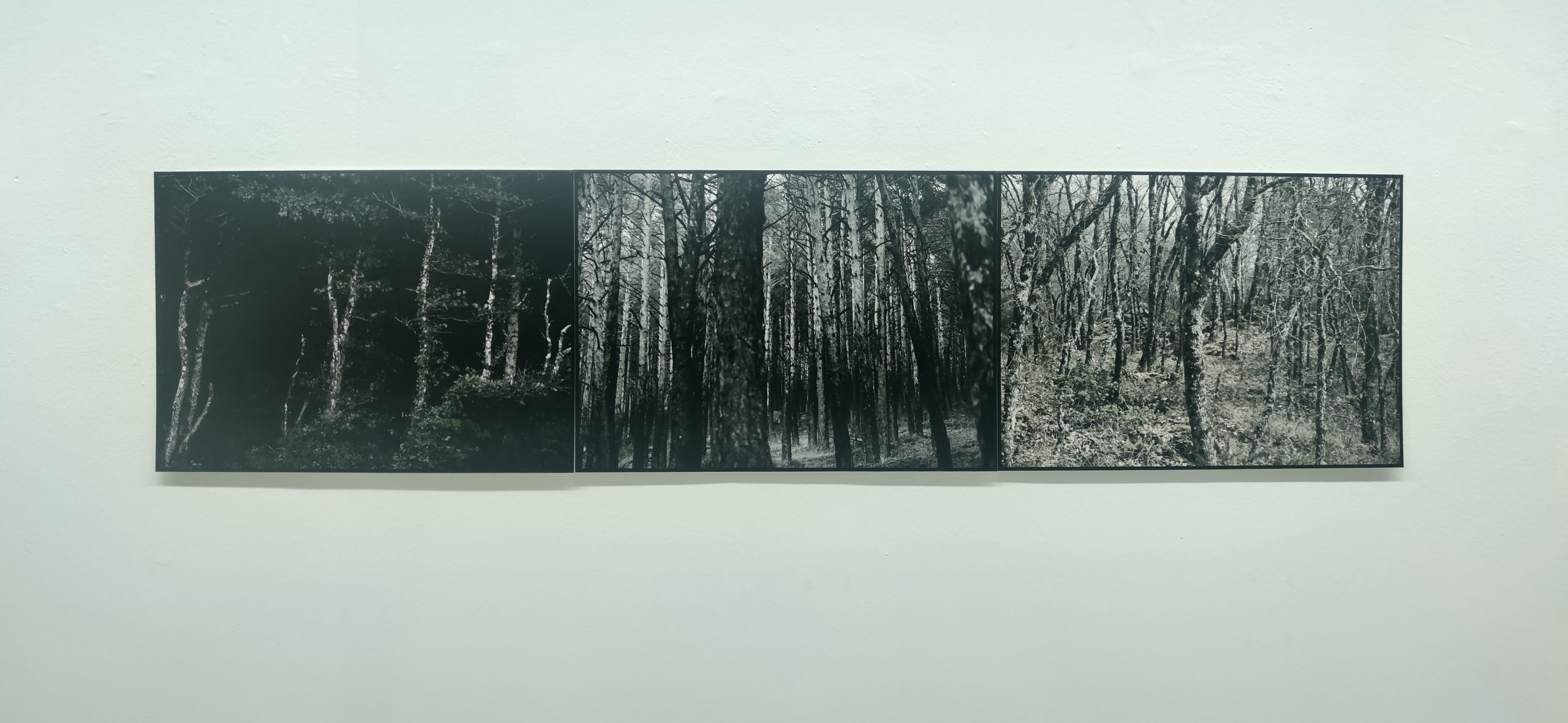
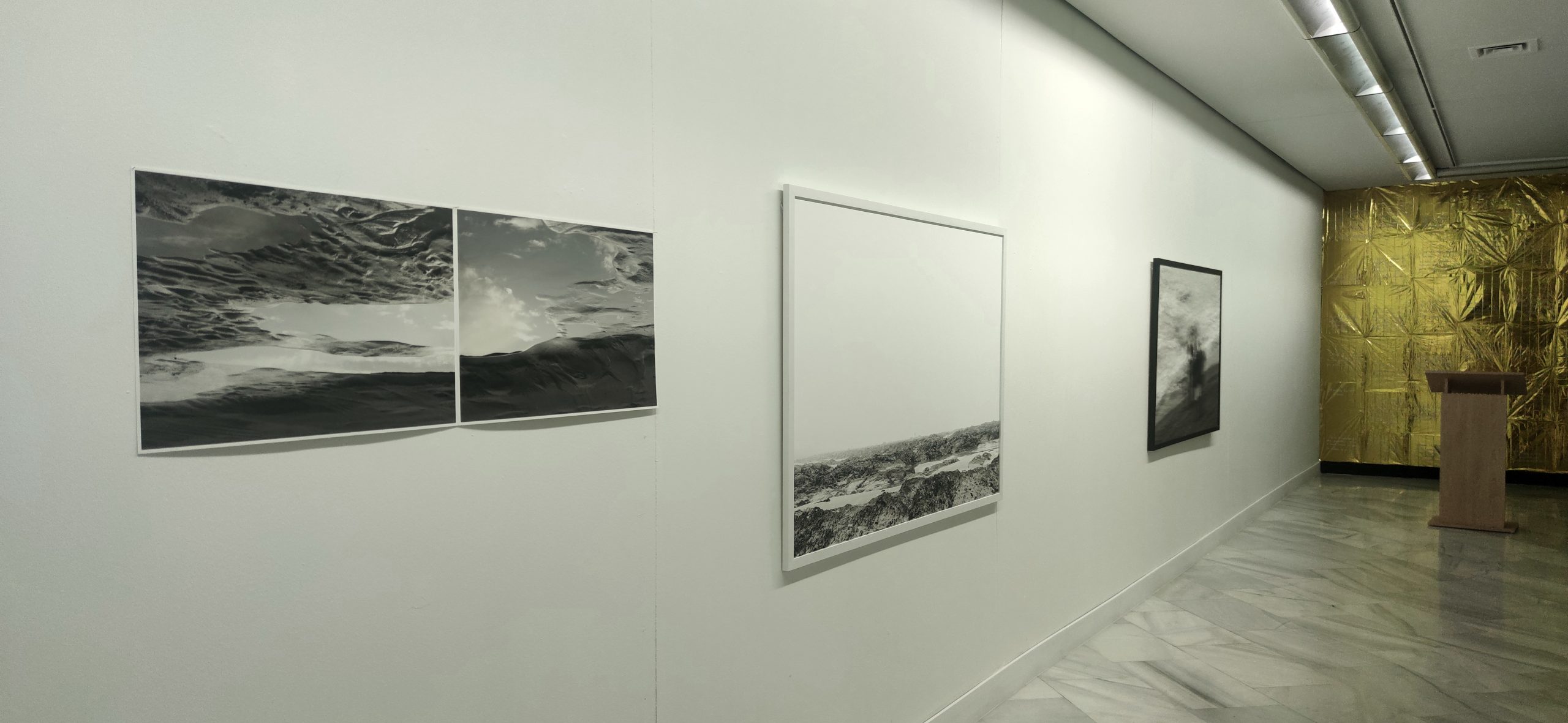
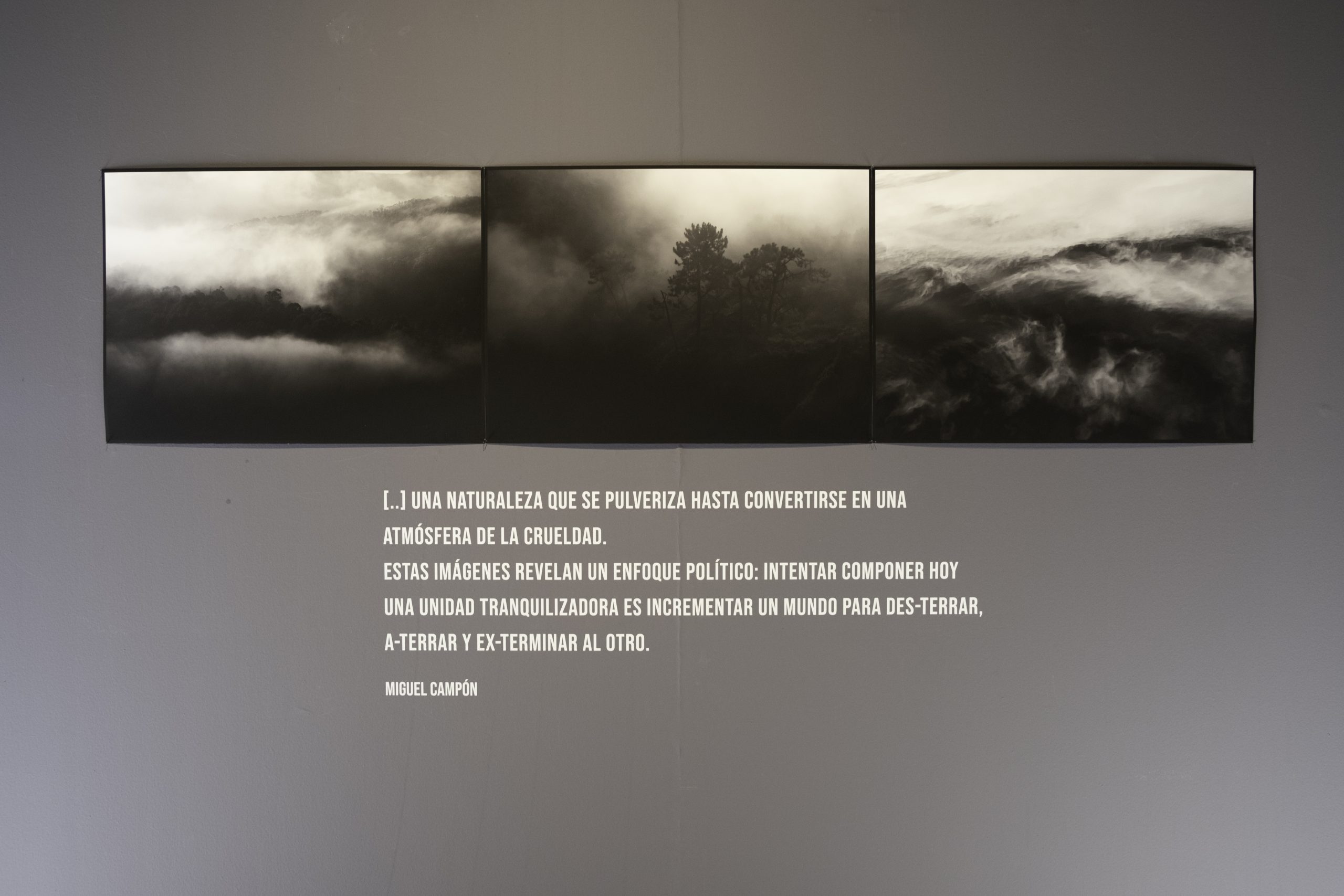
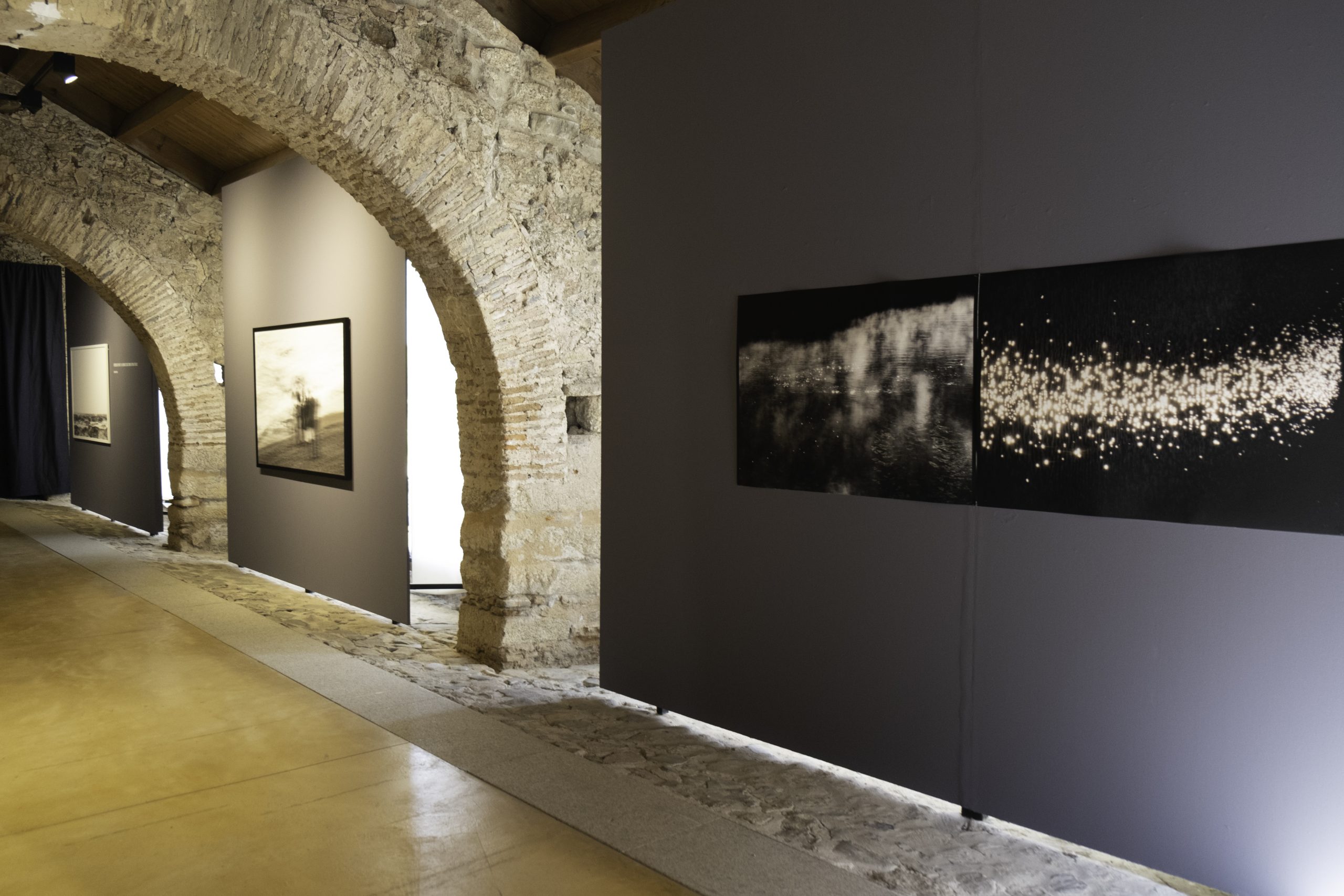
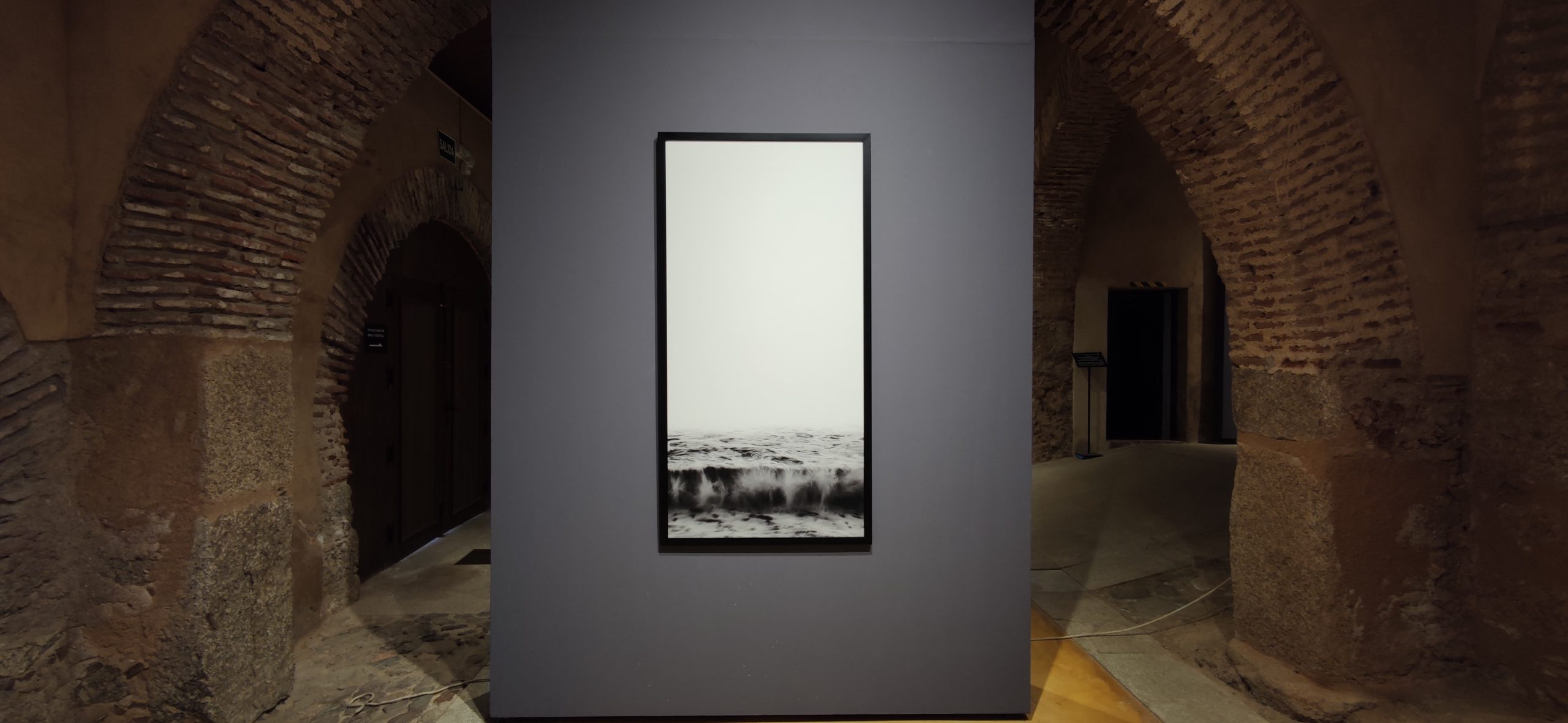
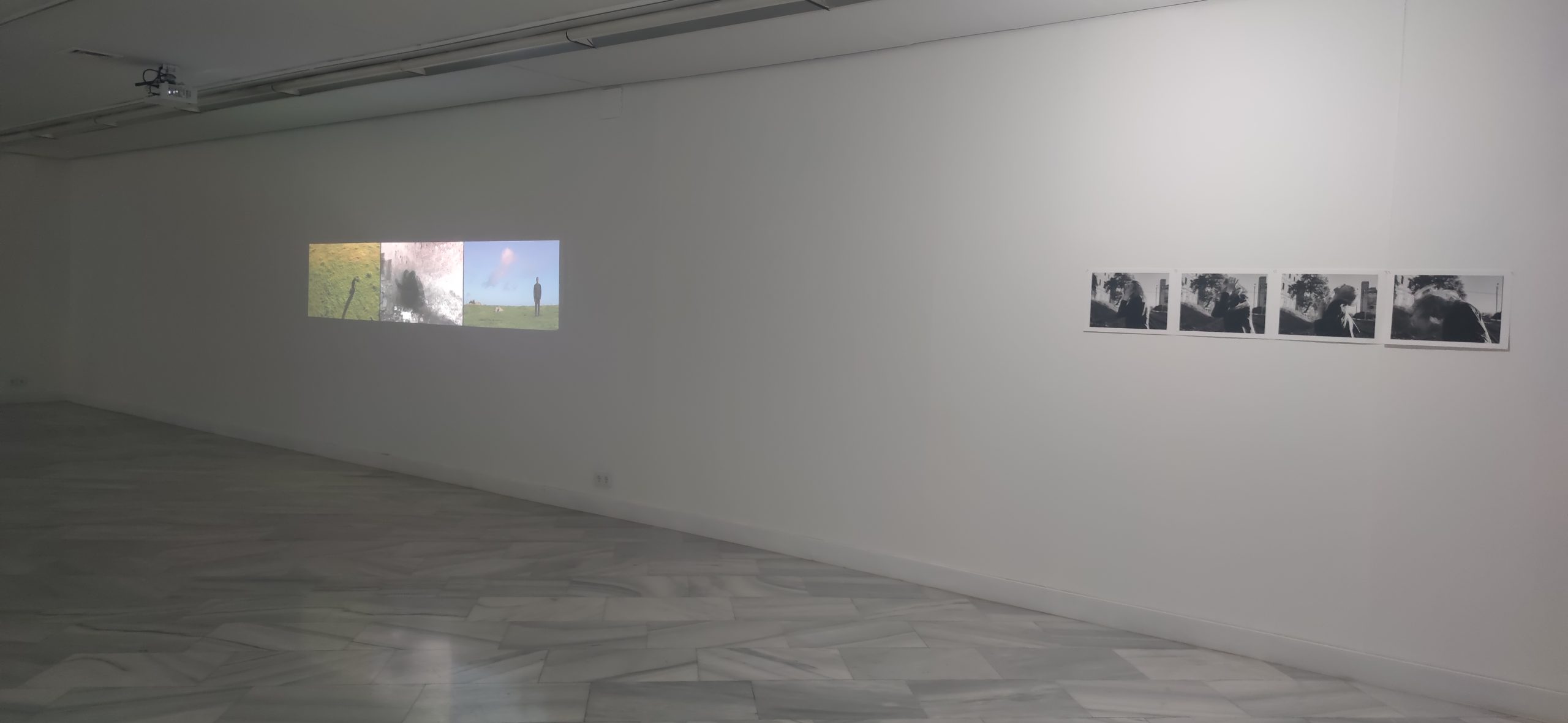
As a result of various investigations into the issue of migration, I am interested in developing a project focused on the difficulties and hardships faced by people who have been forced to leave their country for political reasons, understanding the political as everything related to individuals. The aim of my work is to put forward a critique of the consequences of migration policies, in order to portray the reality faced by all those who are compelled to leave their environment in order to survive. During its development, I have documented and interviewed migrants, refugees, exiles, human rights lawyers, ONG workers, social agents, and volunteers from different parts of Europe, Asia, Africa, and the Americas over a period of two years.
Ocultos arises from the need to reflect on the vulnerability of human beings in the face of the events that have caused the major exoduses and migrations of recent decades, addressing the different personal issues of each interviewee. As the daughter of political exiles and the granddaughter of migrants, I am deeply interested in making visible the experience of diaspora, displacement, and uprooting from an intimate perspective, delving into the most significant experiences of each of the people who have shared their stories with me, in order to connect them with my own roots.
Photography and video are the tools that allow me to focus on their emotions, on the perception of the visible through the gaze of the invisible, on how identity is constructed through the prism of otherness, and on the way borders are established over a landscape that is universal territory. From an aesthetic point of view, I find the idea of narrativity compelling, composed of ambiguous landscapes, playing with memory in its different forms and layers in order to access the visual as a contractual component of the various geopolitical and cultural frameworks that can be perceived in our research.
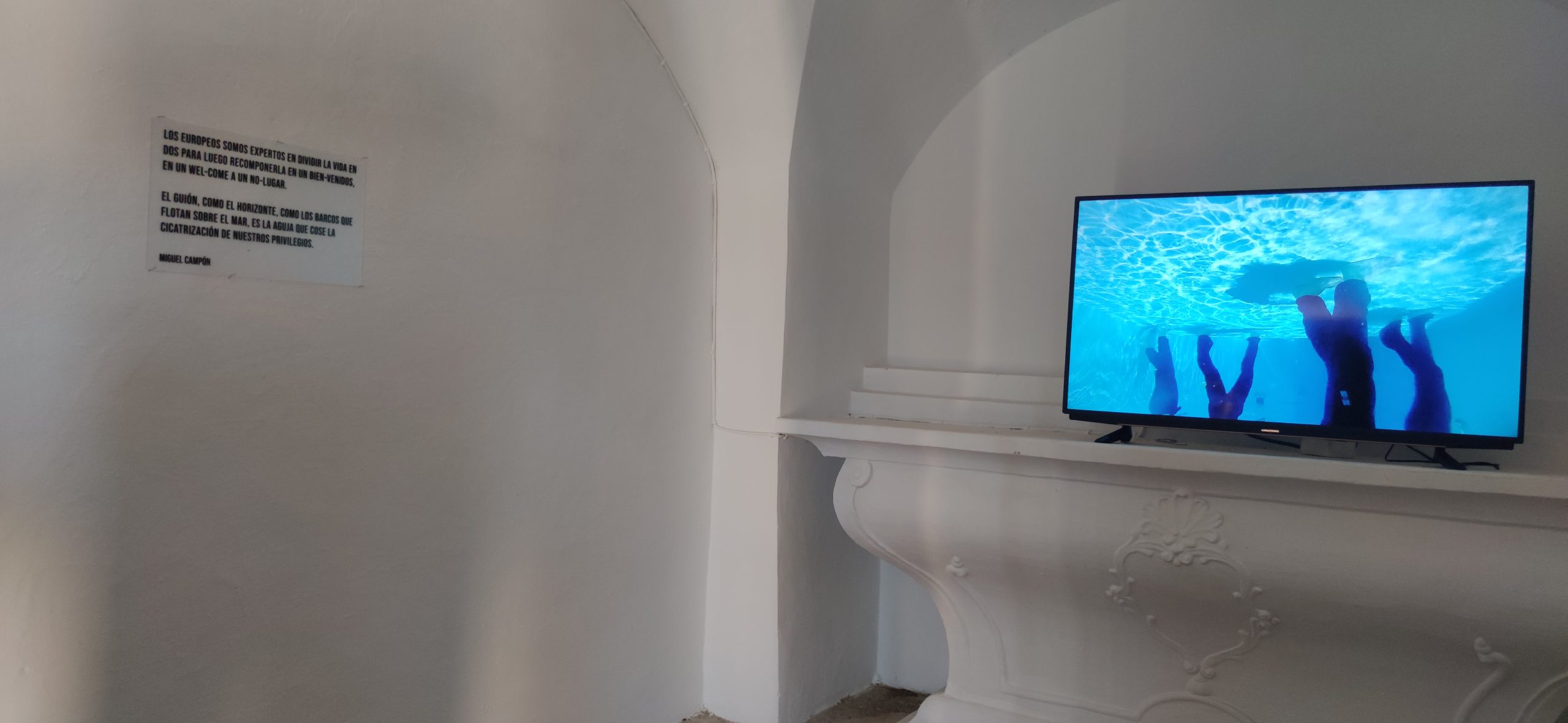
The project unfolds through two interconnected strands—editorial and exhibition/installation—bringing together a series of photographs in varied formats, a publication, and six audiovisual works.
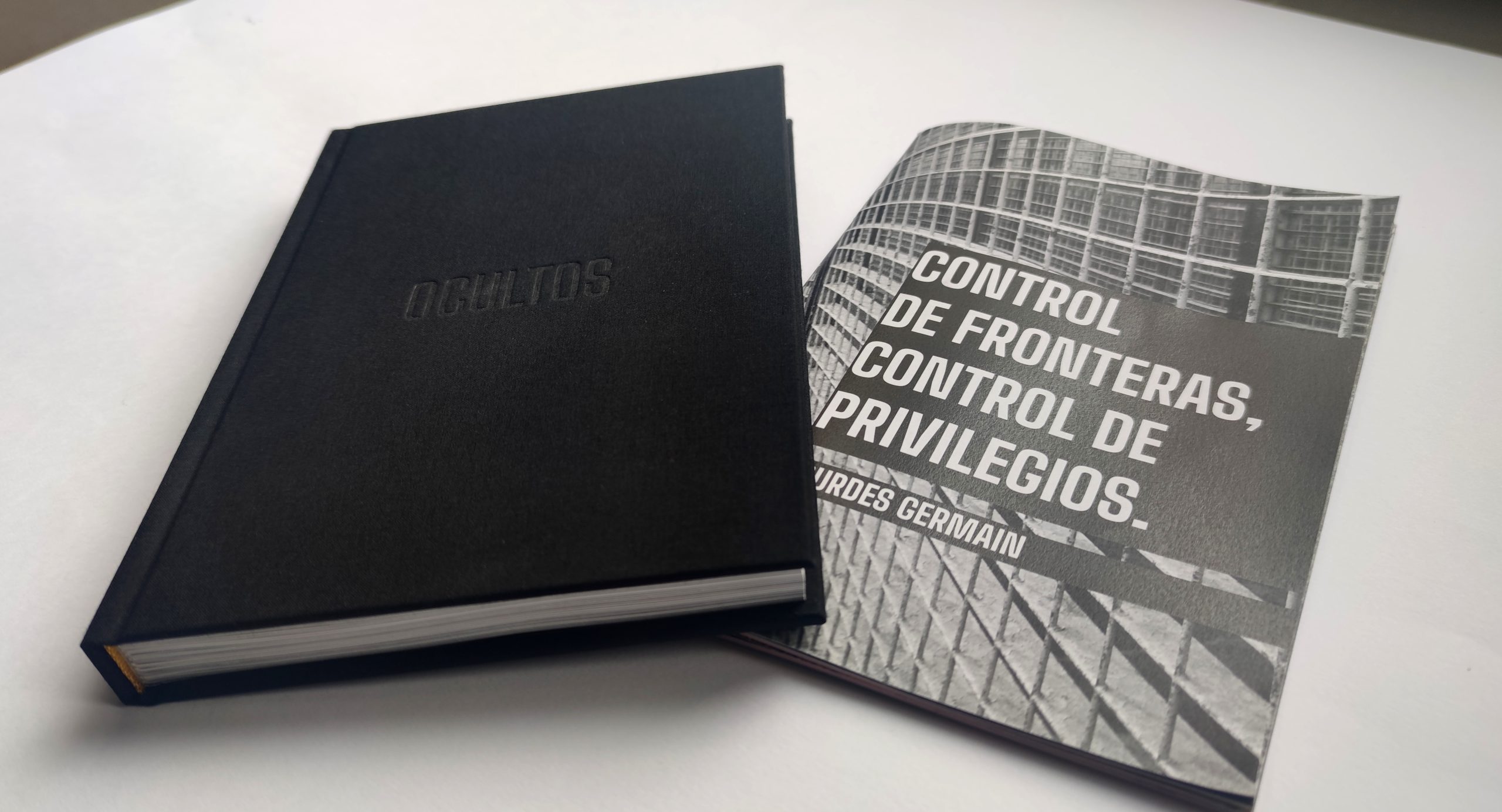
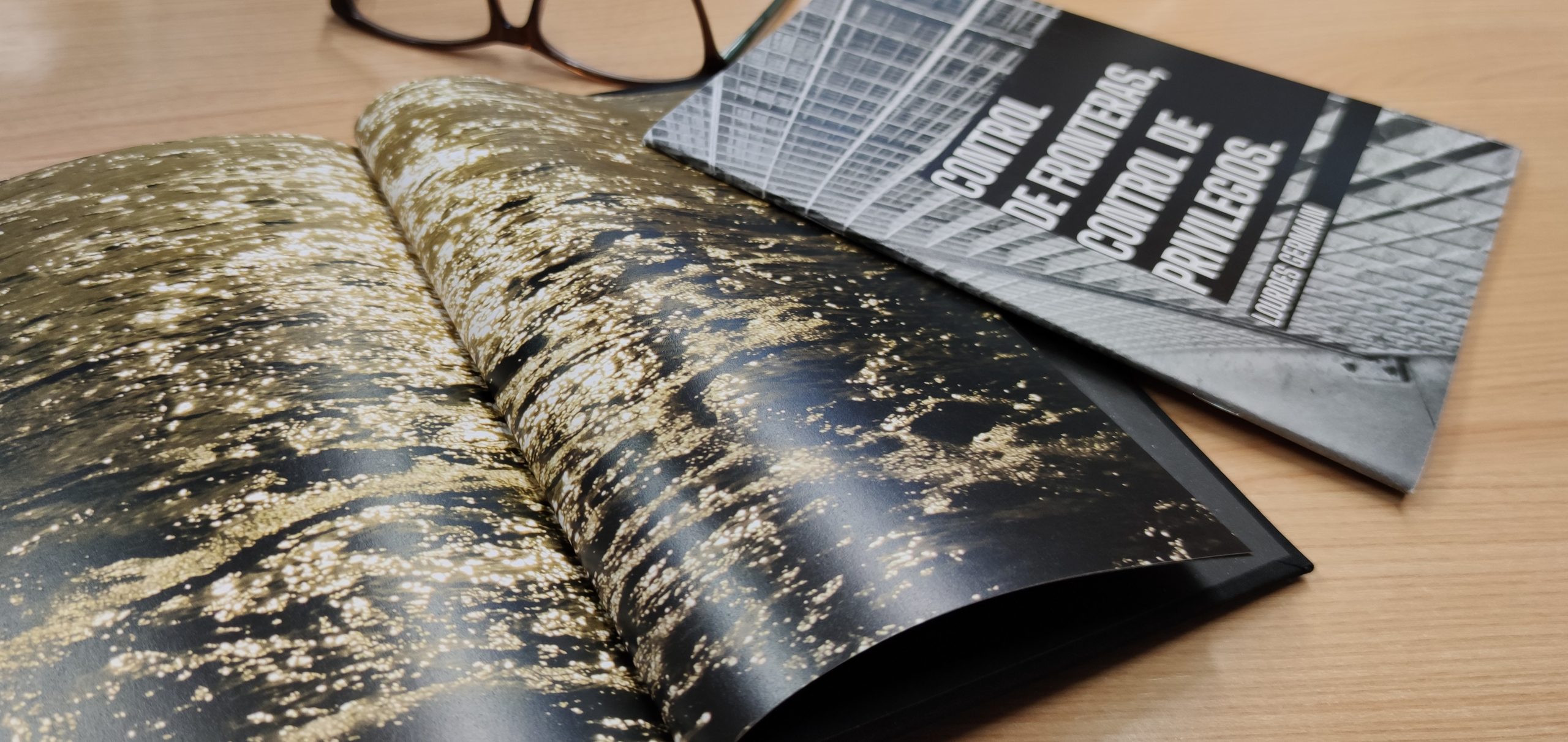
ARTIST´S BOOK
The publication is comprised of two sections. The first is an intimate photobook, which features testimonies from refugees hailing from a multitude of countries. The second is an annex, which provides a comprehensive mapping of the international legal situation and the experiences of millions of citizens in the present era.
AUDIOVISUAL WORKS
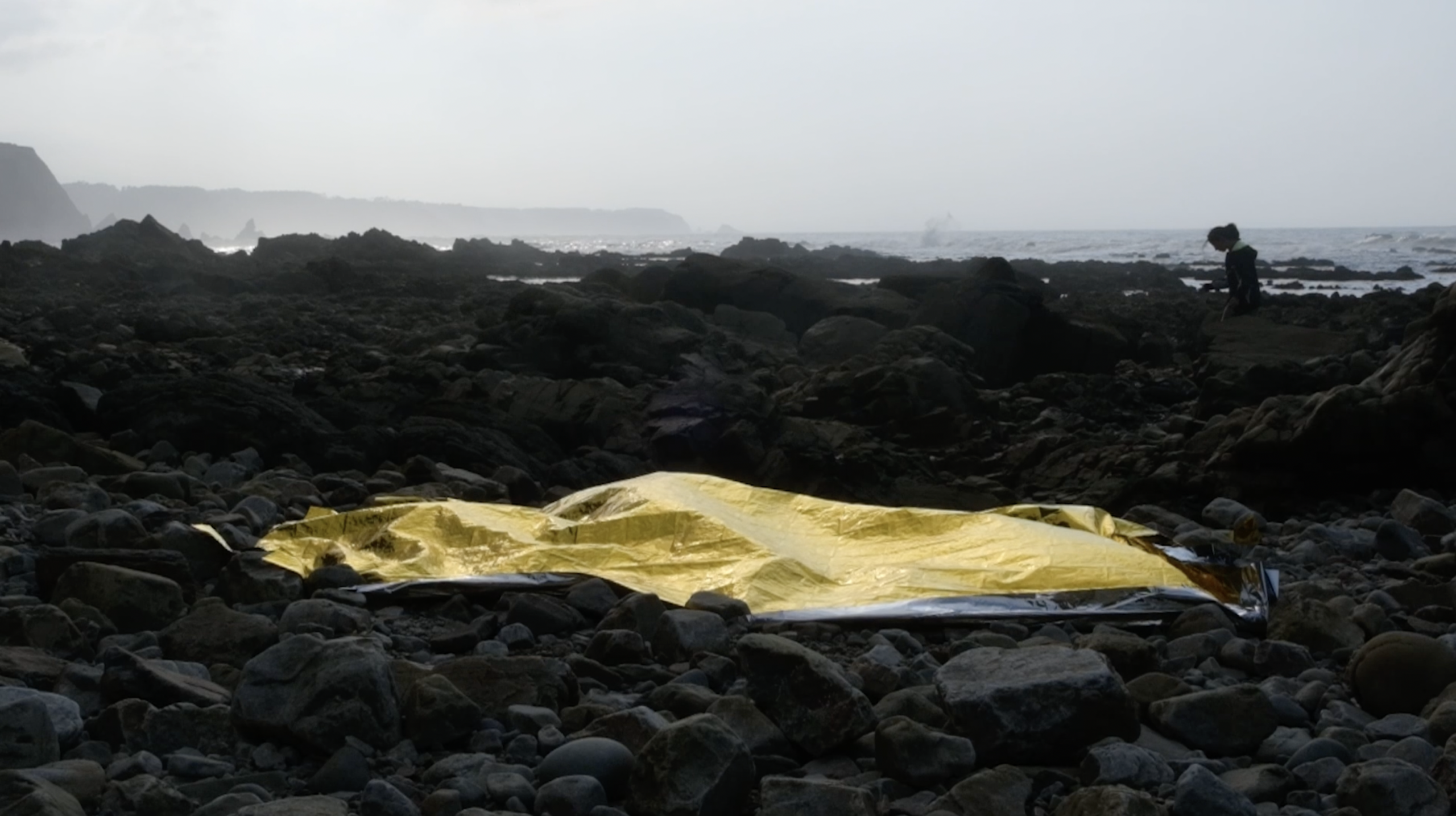
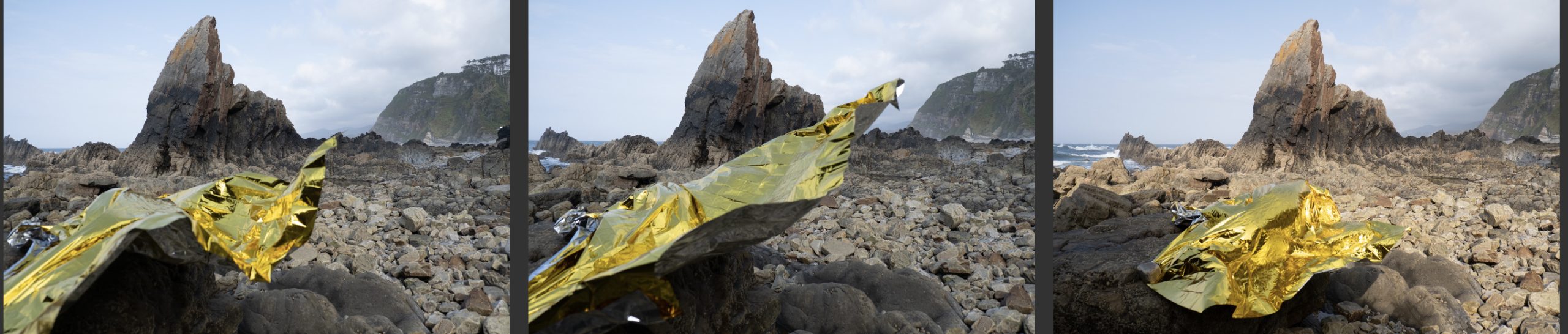
Welcome and Tránsito frames the sea crossing as a final act of survival and openly denounces the indifference and political inaction of Western governments in the face of migrants’ deaths at sea.
WELCOME. 1’ 59’´. 2019.
TRÁNSITO. 1´18´´. 2022
NOWHERE. 2´21´´. 2019
Invites reflection on the living conditions of migrants who reach a safe port only to find themselves trapped in First World countries as second-class citizens. The work conveys the loss of hope in the face of an uncertain future.
PATRIA. 2´06´´. 2020
It is a critique of the policies responsible for the major exoduses and migrations of the 20th and 21st centuries, whether driven by ideological, economic, or religious factors.
In these works: Once upon a time and Hunting, a Malian and a Russian student—both studying theater at the time of filming—were invited to engage spontaneously with the camera. Their gestures and movements function as a performative medium to express their lived experiences and the emotions associated with them.
ONCE UPON A TIME. 2´36´´. 2021
HUNTING. 2´52´´. 2021